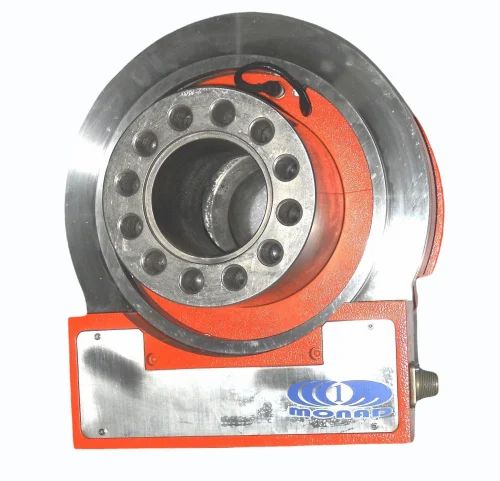
Product overview
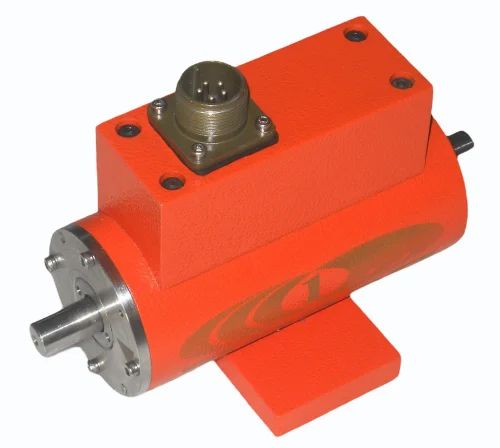
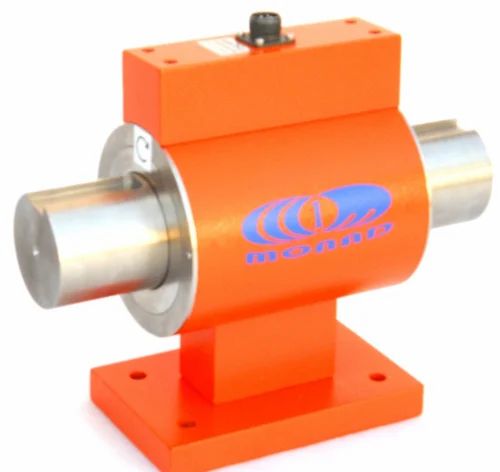
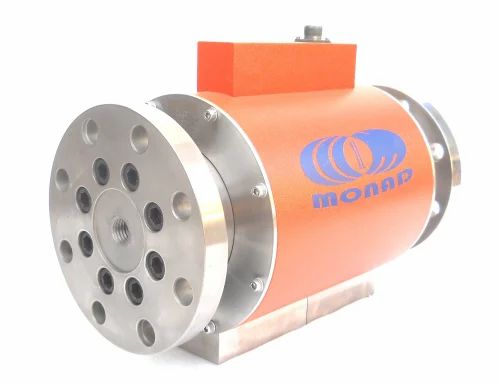
The Monad unique differential torque sensor keeps record of engine power going to the ground during changing traction conditions. The sensor records the following data
- The amount of torque transmitted to each rear wheel
- When one tire begins to lose traction
- The excess torque that cannot be delivered to the ground by the tire that is beginning to lose traction is delivered to the opposite tire
The Torque Bias Ratio (TBR) is the ratio indicating how much more torque the differencial can send to the tire with more available traction, than is used by the tire with less traction. This ratio represents the "locking effect" of the differential.
Monad’s Differential Torque sensor responds to driveshaft torque. Some include spring loading to provide some small torque so that with little or no input torque (trailing throttle/gearbox in neutral/main clutch depressed) the drive wheels are minimally coupled.
Features:
- Five simultaneous analogue output signals, two torque channels, two angle channels and one angular velocity channel.
- Bearing friction influence on the torque measurement has been eliminated, allowing high accuracy low torque measurements.
- Low profile design retains the same driving conditions as with standard steering wheels.
- Easily mounted on any road vehicle by means of flanges - no disassembly of the steering column is required.
- Modular sensor design for all electric power steering (EPS)
- Absolute angle information for output and input shaft
- Ratio metric measuring principle to improve accuracy over total measurement range
- Free programmable torque range with up to +/- 8°
- Intelligent software concept to increase safety
- No need for additional steering angle sensor in the steering column\
- High accuracy
- High Linearity
- High overload Limit
- Rugged stainless steel construction